Best Mattresses: How to Find the Right Bed (2026)
There is no single “best mattress in the world”—only the best fit for your body, climate, room, and budget. This hub collects our editorial roundups and deep dives: how we shortlist models, what to verify on trial, and where construction matters more than marketing.
Published roundups & guides
Longer keyword articles and category roundups as we publish them. Each opens as its own page—this hub stays the editorial overview.
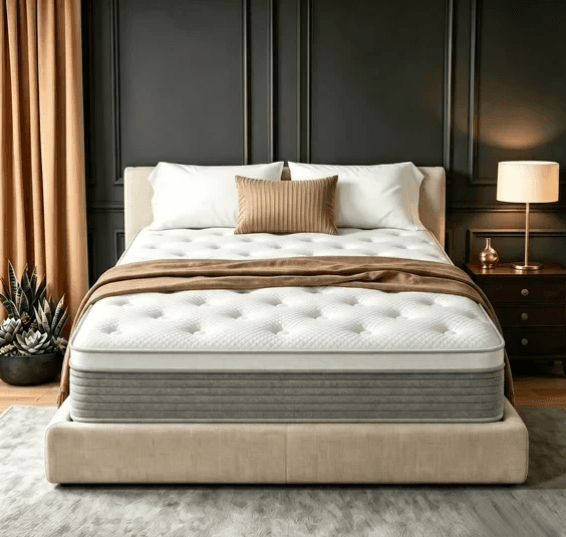
What “best mattress” should mean
Search results love one winner for everyone. In practice, “best” splits by sleep position, weight, heat, motion sensitivity, and whether you sleep on a floor mat, platform, or box spring.
We treat “best” as a filter: narrow construction (foam, hybrid, latex, coils), firmness band, and trial checklist—then compare two or three finalists you can actually lie on.
- Best for side sleepers ≠ best for stomach sleepers.
- Best for hot climates ≠ best for motion isolation.
- Best on tatami or a low platform ≠ best on a thick adjustable base.
How we shortlist before calling anything “best”
We are not a retailer and do not take payment for placement. When we publish a roundup, we start from construction and scenario—not adjectives on the box.
- Layer stack: comfort depth, core type, edge support, cover breathability.
- Specs when disclosed: foam density, coil type, warranty sag rules.
- Trial discipline: heat after ~20 minutes, partner roll tests, edge sit, morning stiffness—not five showroom minutes.
- Room fit: footprint and thickness (especially tatami and guest rooms) via our calculator.
- Return policy: trial length and real-world return friction matter as much as feel.
Shopping globally: same body, different catalogs
Mattress brands and sizes vary by country. A “best” list in the US may not ship to Europe or Asia; fire-label and size standards differ; “Queen” is not universal.
Use our construction guides and comparison tables to choose a build type, then map that build to brands that ship to your region and honor returns where you live.
- North America: heavy bed-in-a-box and hybrid market—verify trial and return pickup.
- Europe: check fire-cert labels and single/double/long single sizes vs US Queen/King.
- Japan and floor sleeping: thin futon stacks differ from 12-inch hybrid-in-a-box defaults.
- Online-only brands: shortlist from spec sheets, then confirm trial windows before you commit.
A practical path to your best mattress
Work top-down so you do not compare ten random SKUs. Most shoppers who skip steps buy twice.
- Pick construction family (foam vs hybrid vs latex vs coils) using our guides and compare tables.
- Set firmness band from sleep position and weight—calculator + firmness review.
- Size the room and thickness—calculator, especially for tatami or tight guest rooms.
- Shortlist two models; run the same trial checklist on each for at least several nights.
- Keep law tags, spec PDFs, and return confirmations—warranty claims need documentation.
Frequently asked questions
Common questions about finding the best mattress—globally and for your sleep setup—not brand hype.
- Is there one best mattress for everyone?
- No. The best mattress is the one that matches your sleep position, weight, heat, partner motion needs, and foundation—not a single model ranked for all bodies. Use construction and firmness filters first, then trial two finalists.
- How do you pick “best” mattresses for roundups?
- We prioritize transparent layer stacks, realistic trial policies, and how well a build fits a stated scenario (side sleepers, hot sleepers, couples, tatami setups). We do not accept payment for placement; when hands-on data is limited, we say so and focus on checklists you can repeat on trial.
- Memory foam, hybrid, or latex—which is best?
- None wins globally. Memory foam often excels at pressure relief and motion damping but can sleep warmer. Hybrids add coil airflow and bounce. Latex is responsive and cooler but transfers more motion. Start with our memory foam vs hybrid tables, then open the guide for your leading type.
- Can I buy the best US mattress if I live outside the US?
- Often no—many US brands do not ship internationally, and sizes and fire-cert rules differ. Choose the construction and firmness you need, then find regional brands with equivalent builds and return policies where you live.
- What firmness is “best” for most people?
- There is no universal firmness. Side sleepers usually need medium-soft to medium; back sleepers medium-firm to firm; stomach sleepers firmer with a thinner comfort top. Heavier bodies sink farther into the same labeled firmness—use our firmness review and calculator as a band, then confirm on trial.
- How long should I try a mattress before deciding?
- Many policies allow 30–100+ nights. Plan at least a week per finalist when possible, with checks on day three and day ten for heat, edge support, and partner motion. Pillows and room temperature should stay consistent so you are judging the mattress, not the setup.
- Are expensive mattresses always better?
- Not always. Price often reflects coil count, foam density, covers, and marketing—not guaranteed comfort for your body. A modest hybrid with a clear spec sheet and strong trial can beat a heavily discounted foam SKU with vague layers.
- What is the difference between this hub and your Guides/Reviews?
- Guides explain mattress types and construction. Reviews focus on shopping scenarios (firmness, heat, couples). This Best mattresses hub hosts longer roundups and keyword articles as we publish them—each URL is a standalone editorial piece linked from here.
- Do you sell mattresses or earn affiliate commission?
- No. We do not take orders. Always confirm price, trial length, and return rules on the retailer or brand you choose before you buy.
Editorial shopping education only—not medical advice. Confirm trials and returns with each seller before you buy.