Memory foam vs hybrid
Make a table comparing memory foam vs hybrid mattresses
Side-by-side grids for feel, cooling, support, motion, edges, durability, off-gassing, and price—then sleep-position picks, gel foam vs coils, and when a topper is enough.
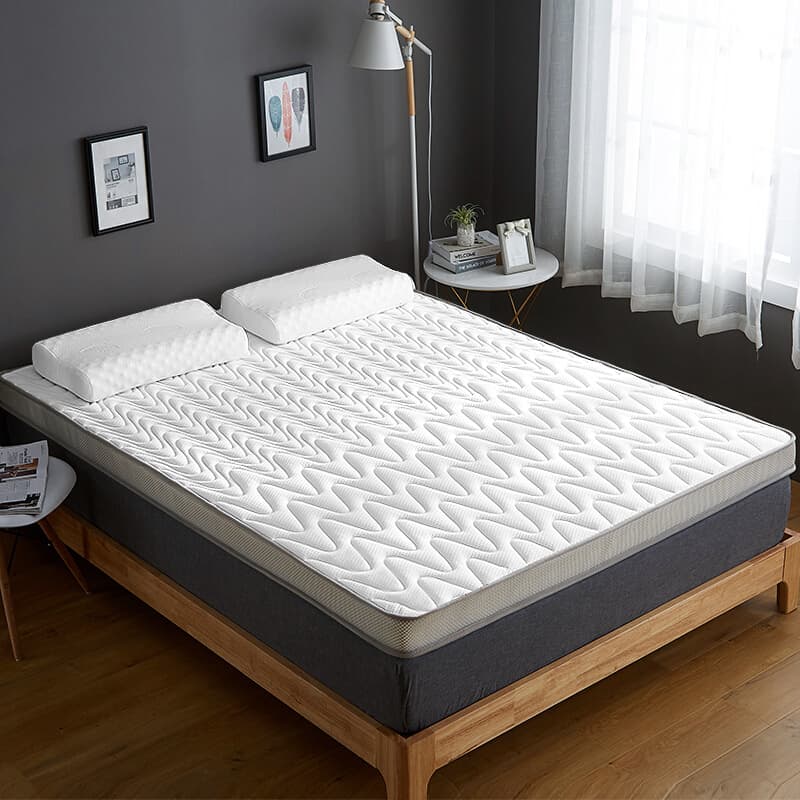
If you have already narrowed the search to memory foam or hybrid and want the tie broken: choose memory foam when deep pressure relief and a quiet bed for two matter more than bounce, and you sleep on your side or run cool. Choose a hybrid if you sleep hot, change positions often, want sturdy edges, or need a build that usually holds shape longer.
Shoppers type make a table comparing memory foam vs hybrid mattresses when they want a side-by-side, not a brand list. The split is construction: a memory foam mattress stacks viscoelastic comfort layers over a dense foam base—no metal springs. A hybrid pairs a coil support core (usually pocketed steel) with foam or latex on top. That one difference is why the rest of the chart looks the way it does.
Scroll to the comparison tables, then use the sleep-position rows and checklist. Pair the grids with our memory foam guide and hybrid guide when you are ready to translate traits into a shortlist of models.
Key takeaways
- ·Memory foam is an all-foam assembly: slow contouring, excellent motion damping, and a “melting in” sensation when the top layers are soft.
- ·Hybrids add pocketed coils under foam—more airflow, quicker response, and a sleeping surface that keeps you lifted unless the comfort stack is very plush.
- ·Hot sleepers often gravitate toward hybrids because open coil geometry vents heat; modern foams improve memory heat issues but rarely beat coils on raw breathability.
- ·Support for heavier bodies frequently favors hybrids: metal springs resist long-term troughs better than soft all-foam profiles, especially for stomach sleepers who need hip lift.
- ·Off-gassing is usually stronger on all-foam beds for a few days; hybrids air out faster because coils leave open space. Ventilate either way.
- ·Firmness is a separate dial. A plush hybrid can feel softer than a firm memory-foam slab. Pick the family for airflow and motion, then set soft / medium / firm from position and weight.
Memory foam vs hybrid: what is inside each type?
Layers tell the truth before marketing names do. Here is how we think about the stack when we evaluate samples.
What is a memory foam mattress?
Memory foam mattresses transformed sleep comfort after NASA developed viscoelastic polyurethane foam in the 1960s. This material softens with body heat and pressure, molding to your shape for personalized support.
Most memory foam beds have several layers working together. A high-density polyfoam core provides structure and durability, typically six to eight inches thick, while upper comfort foam layers adapt to your body for pressure relief.
How memory foam contours to your body
The signature feel of memory foam comes from viscoelasticity. As warmth from your body softens the surface, the foam conforms to curves and distributes weight evenly. Heavier areas like the hips and shoulders sink deeper, while lighter areas stay supported. This reduces pressure points and limits tossing and turning.
The same temperature-responsive behavior that cushions joints also explains the slow roll-over feel some people love and others call “stuck.” There is no spring orchestra underneath—only foam timing your movements.
Common materials in foam layers
Modern designs improve on traditional memory foam with additional materials:
- Gel-infused memory foam adds gel beads or a gel swirl so surface heat can spread—still memory foam, not a hybrid.
- Open-cell memory foam uses a more porous cell structure so air can move through the comfort layer. Cooler than dense traditional foam, still warmer than an open coil core.
- Copper-infused foam adds antimicrobial properties and a modest cooling assist.
- Traditional memory foam remains popular for its deep, slow-moving contour.
Memory foam structure (cross-section)
What is a hybrid mattress?
Hybrid mattresses combine the comfort and pressure relief of foam with the structure of coils. They are designed to address the weaknesses of both all-foam and traditional innerspring mattresses. A typical hybrid bed features a coil support system on the bottom and foam comfort layers on top, standing 10 to 14 inches tall.
You keep foam’s cushioning where you need it while coils supply push-back, airflow, and a quicker reset when you change position. Most shoppers describe that as sleeping slightly “on” the mattress instead of sinking through it.
Hybrid coil structure (cross-section)
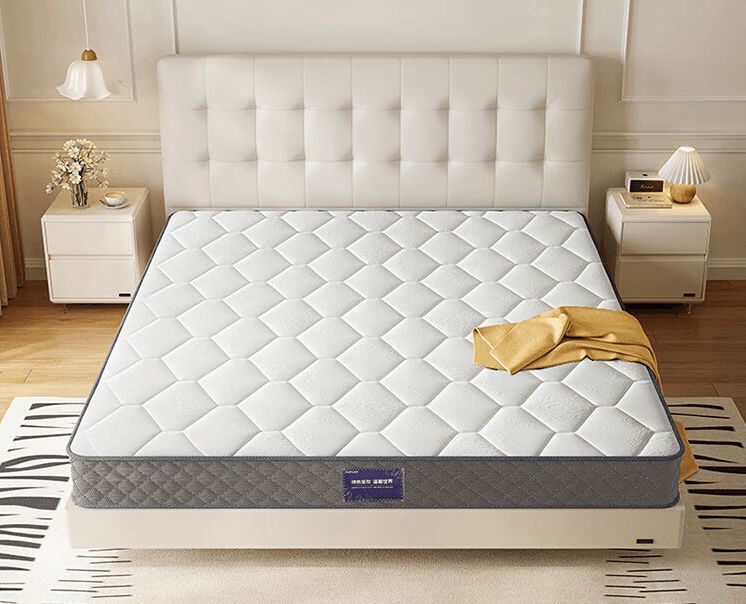
Understanding the coil system
The coil system is the backbone of every hybrid. High-quality hybrids use individually pocketed coils that move independently, reducing motion transfer while supporting each part of the body. Most queen-size hybrids have 800 to 1,200 coils, with higher counts offering greater durability and lift.
Each spring compresses on its own footprint, which improves contouring versus old tied-wire units and reins in some—but not all—motion transfer. For the steel core itself—pocket vs Bonnell, gauge, and coil count—see What is a coil mattress.
Types of comfort layers in hybrids
Hybrid mattresses combine multiple layers, each balancing comfort, support, and breathability. Below is a typical stack—not a single brand recipe, but the pattern we see across well-built hybrids.
1. Cover and quilt
The top textile sets first impression—breathability, stretch, and how quickly heat leaves the surface. A looser quilt can add plushness without thick foam.
2. Comfort layer
Two to four inches of polyfoam, memory foam, or latex shape pressure relief and initial feel. Thickness and firmness here decide how much coil motion you notice.
3. Transition layer
A medium-density foam bridge keeps hips from bottoming out on coils. Skimping on this layer is a common reason hybrids feel oddly firm or “coil-forward.”
4. Coil support system
Individually pocketed springs provide lift, airflow, and durability. Coil count, gauge, and zoning change how evenly weight spreads across the bed.
5. Edge support
Reinforced perimeter coils or foam rails keep the side stable when you sit to put on shoes. Weak edges shrink the usable sleep surface for couples.
When you shop, ask how thick each layer is and what density the foams use—those details matter as much as coil count for long-term feel and durability.
Performance illustrated
Three quick visuals for traits that are hard to read on a spec sheet—airflow, edge sit, and partner motion. Use them with the tables below when you trial a mattress in a store or at home.
Airflow comparison
Edge support test
Motion transfer
Comparison tables
Make a table comparing memory foam vs hybrid mattresses
Two grids: sleep performance first, then durability, edges, and typical price. Use them as your working table during a store or home trial.
Performance traits: feel, temperature, alignment, and partner motion.
Feel & responsiveness
- Memory foam
- Slow-adapting surface with a contouring “hug.” Motion tends to damp out in the foam instead of springing back.
- Hybrid
- Foam on top preserves some cushioning, while coils add lift and quicker spring-back when you shift.
- Takeaway
- Memory foam leans “in the bed”; hybrids usually feel more “on the bed” with easier repositioning.
Temperature regulation
- Memory foam
- Dense foams can bank body heat unless the stack uses open-cell foam, phase-change yarns, or a thinner comfort layer.
- Hybrid
- The coil core acts like a ventilated scaffold—warm air has paths to move away from your body.
- Takeaway
- If sleeping cool is the top priority, a well-built hybrid often has the simpler airflow story.
Support & spinal alignment
- Memory foam
- Even pressure mapping is a strength, but very soft all-foam profiles may let hips drop on stomach or heavier builds.
- Hybrid
- Steel springs spread load and resist bottom-out; many designs add zoning under hips or shoulders.
- Takeaway
- Back, stomach, and higher-weight sleepers frequently prefer the firmer progression a coil base can provide.
Motion isolation
- Memory foam
- Foam absorbs ripple; most people notice very little partner movement on quality builds.
- Hybrid
- Pocket coils move independently, which helps, yet a thin comfort stack can still telegraph some motion.
- Takeaway
- For the quietest bed, all-foam memory models still edge out most hybrids—though pocket hybrids close the gap.
| Feature | Memory foam | Hybrid | Takeaway |
|---|---|---|---|
| Feel & responsiveness | Slow-adapting surface with a contouring “hug.” Motion tends to damp out in the foam instead of springing back. | Foam on top preserves some cushioning, while coils add lift and quicker spring-back when you shift. | Memory foam leans “in the bed”; hybrids usually feel more “on the bed” with easier repositioning. |
| Temperature regulation | Dense foams can bank body heat unless the stack uses open-cell foam, phase-change yarns, or a thinner comfort layer. | The coil core acts like a ventilated scaffold—warm air has paths to move away from your body. | If sleeping cool is the top priority, a well-built hybrid often has the simpler airflow story. |
| Support & spinal alignment | Even pressure mapping is a strength, but very soft all-foam profiles may let hips drop on stomach or heavier builds. | Steel springs spread load and resist bottom-out; many designs add zoning under hips or shoulders. | Back, stomach, and higher-weight sleepers frequently prefer the firmer progression a coil base can provide. |
| Motion isolation | Foam absorbs ripple; most people notice very little partner movement on quality builds. | Pocket coils move independently, which helps, yet a thin comfort stack can still telegraph some motion. | For the quietest bed, all-foam memory models still edge out most hybrids—though pocket hybrids close the gap. |
Durability signals, edges, price bands, and new-mattress smell.
Edge support
- Memory foam
- Perimeter can feel softer unless the brand adds firmer side rails or a reinforced foam encasement.
- Hybrid
- Coils plus edge reinforcement commonly create a stable rim for sitting or sleeping close to the side.
- Takeaway
- Edge-heavy habits (sitting to dress, using the full surface) usually favor hybrids.
Durability & lifespan
- Memory foam
- Good builds often land around the mid-to-high single-digit years before comfort layers soften unevenly.
- Hybrid
- Quality pocket units can extend usable life because metal fatigue is predictable and replaceable in theory.
- Takeaway
- At similar price tiers, hybrids sometimes outlast all-foam cores—but foam density and coil gauge still decide the real story.
Typical price band
- Memory foam
- Entry models are common; you can climb the ladder with thicker specialty foams or cooling treatments.
- Hybrid
- More parts (coils + foams + covers) usually push MSRP higher than a basic foam block at retail.
- Takeaway
- Strict budgets often find more sub-$1,000 memory foam SKUs; hybrids shine when you can invest for coils + comfort depth.
Off-gassing
- Memory foam
- A stronger “new mattress” smell is common for a few days because there is more foam volume and less open air inside the core.
- Hybrid
- Usually lighter and shorter-lived: coils leave channels so the comfort foams can air out faster once the bed is unboxed.
- Takeaway
- Ventilate the room either way. Lasting odor is a return-policy issue, not a reason to pick a category by smell alone.
| Feature | Memory foam | Hybrid | Takeaway |
|---|---|---|---|
| Edge support | Perimeter can feel softer unless the brand adds firmer side rails or a reinforced foam encasement. | Coils plus edge reinforcement commonly create a stable rim for sitting or sleeping close to the side. | Edge-heavy habits (sitting to dress, using the full surface) usually favor hybrids. |
| Durability & lifespan | Good builds often land around the mid-to-high single-digit years before comfort layers soften unevenly. | Quality pocket units can extend usable life because metal fatigue is predictable and replaceable in theory. | At similar price tiers, hybrids sometimes outlast all-foam cores—but foam density and coil gauge still decide the real story. |
| Typical price band | Entry models are common; you can climb the ladder with thicker specialty foams or cooling treatments. | More parts (coils + foams + covers) usually push MSRP higher than a basic foam block at retail. | Strict budgets often find more sub-$1,000 memory foam SKUs; hybrids shine when you can invest for coils + comfort depth. |
| Off-gassing | A stronger “new mattress” smell is common for a few days because there is more foam volume and less open air inside the core. | Usually lighter and shorter-lived: coils leave channels so the comfort foams can air out faster once the bed is unboxed. | Ventilate the room either way. Lasting odor is a return-policy issue, not a reason to pick a category by smell alone. |
No table replaces lying on a mattress, but patterns repeat: coils ventilate and buoy you; memory foam trades bounce for silence at the surface. Your job is to rank which of those trade-offs touches your sleep every night—not which buzzword sounded best in an ad.
How each one actually feels
A spec sheet names the build. It cannot tell you whether you like sinking in or staying on top. That gap is why two shoppers with the same height and weight can split on the same medium hybrid.
Memory foam hugs
Press a hand in and the surface slowly molds, then slowly returns. In bed that means hips and shoulders get a cradle and the waist gap fills in—the source of its pressure-relief reputation. The trade-off is effort: because the foam is slow, changing positions takes a beat, and some people feel settled into the mattress rather than on it.
Hybrid pushes back
The coil layer keeps you lifted toward the top of the bed, with a slightly bouncy reset when you move. Edges usually feel more solid when you sit to put on shoes, and air can travel through the springs. A decent comfort stack still softens the first impression—so a hybrid is not “an old linked-spring bed with a new name.”
Construction and firmness are different dials. Both types ship in soft, medium, and firm. A plush hybrid can feel softer than a firm all-foam bed, and a dense memory-foam slab can feel firmer than a thin-comfort hybrid. Pick the family for airflow, motion, and edges—then set firmness from sleep position and body weight. Use the firmness-by-position review and the room and firmness calculator to set that second dial.
“Hybrid” is not one feel. The word only tells you there is a coil support core. A memory-foam hybrid still hugs; a latex hybrid feels quicker and often cooler; a thin two-inch foam quilt over coils can feel almost like a classic innerspring. Read comfort-layer thickness and material before you treat two hybrids as interchangeable.
Which one fits how you sleep?
Most of the decision comes down to position, heat, partner motion, and body weight. Run the rows, then confirm on trial—categories blur at the edges.
If this is you, lean this way
Side sleeper, or hip / shoulder pressure points
- Lean toward
- Memory foam
- Why
- Slow contour cushions the joints that carry your weight before they hit a firmer core.
You sleep hot or kick the covers off most nights
- Lean toward
- Hybrid
- Why
- Open coil geometry lets heat leave the core; gel foam helps, but it does not replace airflow.
You share the bed with a light or restless sleeper
- Lean toward
- Memory foam
- Why
- Foam absorbs movement so one person’s toss is less likely to wake the other.
Combination sleeper who changes position all night
- Lean toward
- Hybrid
- Why
- A quicker surface makes it easier to roll without that stuck-in-foam pause.
Back or stomach sleeper who wants lift, not a deep sink
- Lean toward
- Hybrid
- Why
- The coil base keeps hips from hammocking, which matters more as body weight rises.
Lightweight sleeper who finds many hybrids too firm
- Lean toward
- Memory foam
- Why
- You need less push-back to get contour; a thick foam comfort layer often feels more natural.
Heavier sleeper, or you sit on the edge to dress
- Lean toward
- Hybrid
- Why
- Coils and perimeter rails usually hold shape and usable edge better over years.
You want the lowest price at a given comfort level
- Lean toward
- Memory foam
- Why
- Fewer parts (no coil unit) still crowd the entry-level band.
| If this is you | Lean toward | Why |
|---|---|---|
| Side sleeper, or hip / shoulder pressure points | Memory foam | Slow contour cushions the joints that carry your weight before they hit a firmer core. |
| You sleep hot or kick the covers off most nights | Hybrid | Open coil geometry lets heat leave the core; gel foam helps, but it does not replace airflow. |
| You share the bed with a light or restless sleeper | Memory foam | Foam absorbs movement so one person’s toss is less likely to wake the other. |
| Combination sleeper who changes position all night | Hybrid | A quicker surface makes it easier to roll without that stuck-in-foam pause. |
| Back or stomach sleeper who wants lift, not a deep sink | Hybrid | The coil base keeps hips from hammocking, which matters more as body weight rises. |
| Lightweight sleeper who finds many hybrids too firm | Memory foam | You need less push-back to get contour; a thick foam comfort layer often feels more natural. |
| Heavier sleeper, or you sit on the edge to dress | Hybrid | Coils and perimeter rails usually hold shape and usable edge better over years. |
| You want the lowest price at a given comfort level | Memory foam | Fewer parts (no coil unit) still crowd the entry-level band. |
Side sleepers who want more detail on shoulder sink versus a Best mattress topper for side sleepers can leave this page once the construction family is clear.
Scenarios
Real situations where one build tends to win—use these as filters before you read brand marketing.
- If you sleep on your side and often wake up with shoulder pain, memory foam usually feels softer around pressure points.
- Couples who are sensitive to movement often prefer memory foam because it absorbs motion better during the night.
- Hot sleepers living in warmer climates may feel more comfortable on a hybrid mattress with stronger airflow.
- People moving from a traditional spring mattress often adapt faster to hybrids because the support feels more familiar.
- Apartment dwellers who want a lower-profile minimalist setup may prefer a thinner foam mattress on a tatami platform.
- Back sleepers who need balanced support without too much sinking often lean toward medium-firm hybrid models.
- Lightweight sleepers sometimes feel that hybrids are too firm, while memory foam contours more naturally to their body.
- Heavier sleepers usually get better long-term support from hybrids because the coil system prevents excessive sagging.
Experience
What shoppers actually notice after a few nights—not spec-sheet adjectives.
- Memory foam feels more like “sleeping in the mattress” rather than on top of it.
- A hybrid mattress usually has a bit more bounce when changing positions during the night.
- Some people love the deep hugging sensation of foam, while others feel slightly trapped by it.
- Hybrids tend to feel cooler after several hours because air moves through the coil layer.
- Foam mattresses are often quieter and reduce motion transfer more effectively for couples.
- Edge support on hybrids usually feels sturdier when sitting near the side of the bed.
- People switching from hotel-style mattresses often find hybrids feel more familiar at first.
- The pressure relief from memory foam can feel especially noticeable after long workdays or intense exercise.
Who each type suits best
Match your sleep style to a construction family, then test models in that category.
Best for side sleepers
- Side sleepers usually benefit from memory foam because it cushions the shoulders and hips more evenly.
- A hybrid can still work if the comfort layers are thick enough to pad pressure points before you reach the coils.
Best for back sleepers
- Back sleepers need contour without hip sink. A medium-firm hybrid often supplies lift through the lumbar.
- Memory foam works when the comfort layer is not so plush that the lower back hammocks.
Best for stomach sleepers
- Stomach sleepers usually need a lifted, firmer surface so the hips do not drop.
- A firmer hybrid is the typical match; very soft memory foam can let the midsection hammock.
Best for hot sleepers
- Hot sleepers often prefer hybrids since coil layers improve airflow and reduce heat buildup.
- Gel or open-cell foam helps an all-foam bed, but it does not replace coil ventilation.
Best for couples
- Couples who wake each other up easily may appreciate the motion isolation of memory foam.
- Choose a hybrid if you also need edge space, cooling, or easier movement—and look for pocketed coils plus a thicker comfort stack.
Best for combination sleepers
- Combination sleepers who switch positions frequently often prefer hybrids for easier movement.
- Very slow, deep-contouring foam can feel harder to roll across even if pressure relief is excellent.
Best for back pain
- People with lower back discomfort sometimes prefer medium-firm hybrids for more balanced spinal support.
- Side sleepers with joint pressure may still do better on contouring foam. Pain is not one profile—trial both families.
Best for heavy sleepers
- Heavier individuals generally get more support and durability from hybrid mattresses.
- Ask for coil gauge, comfort-layer density, and a sag threshold in the warranty—not just “hybrid” on the box.
Best for minimalist sleep setups
- People interested in Japanese-style floor sleeping often choose thinner foam or futon-style mattresses.
- A full hybrid is usually too tall and springy for a low tatami platform.
At-a-glance comparison
A compact side-by-side—use it with the full tables above if you came here to make a table comparing memory foam vs hybrid mattresses.
Memory foam vs hybrid at a glance
Feel
- Memory foam
- Deep contouring
- Hybrid
- Balanced support + bounce
Cooling
- Memory foam
- Can retain heat
- Hybrid
- Better airflow
Motion isolation
- Memory foam
- Excellent
- Hybrid
- Good
Bounce
- Memory foam
- Low
- Hybrid
- Higher
Pressure relief
- Memory foam
- Strong
- Hybrid
- Moderate to strong
Edge support
- Memory foam
- Usually weaker
- Hybrid
- Usually stronger
Ease of movement
- Memory foam
- Slightly slower
- Hybrid
- Easier to move on
Best for
- Memory foam
- Pressure relief
- Hybrid
- Mixed sleeping styles
Support core
- Memory foam
- Solid high-density foam base
- Hybrid
- Pocketed coils under foam
Durability
- Memory foam
- Comfort layers can soften sooner
- Hybrid
- Coils usually hold shape longer
Typical price
- Memory foam
- Usually the lower-cost build
- Hybrid
- Usually costs more at similar quality
Off-gassing
- Memory foam
- Stronger new-mattress smell for a few days
- Hybrid
- Lighter smell; coils help it air out
| Feature | Memory foam | Hybrid |
|---|---|---|
| Feel | Deep contouring | Balanced support + bounce |
| Cooling | Can retain heat | Better airflow |
| Motion isolation | Excellent | Good |
| Bounce | Low | Higher |
| Pressure relief | Strong | Moderate to strong |
| Edge support | Usually weaker | Usually stronger |
| Ease of movement | Slightly slower | Easier to move on |
| Best for | Pressure relief | Mixed sleeping styles |
| Support core | Solid high-density foam base | Pocketed coils under foam |
| Durability | Comfort layers can soften sooner | Coils usually hold shape longer |
| Typical price | Usually the lower-cost build | Usually costs more at similar quality |
| Off-gassing | Stronger new-mattress smell for a few days | Lighter smell; coils help it air out |
Gel memory foam is still foam—not a hybrid
Gel memory foam is traditional viscoelastic foam with gel particles, beads, or a gel swirl mixed in. It is a cooling treatment, not a mattress category. You can buy an all-foam gel bed or a hybrid that uses gel foam on top of coils.
- Gel can spread surface heat so the hug feels less muggy, especially in a warm room.
- Gel does not open an airflow chimney the way a coil core does. If sleeping cool is the deciding factor, a hybrid still has the simpler physics.
- Foam density, cover fabric, quilt depth, sheets, and room temperature often matter more than the word “gel” on the tag.
The mattress is only one heat source. A heavy duvet, polyester sheets, a closed bedroom, and a high thermostat can make a “cooling” hybrid feel warm—and a breathable cover plus lighter bedding can make a modern foam bed tolerable. Change one variable at a time on trial. Cooling-layer checklist if heat is the only reason you opened this comparison.
Mattress topper vs replacing the whole bed
Shoppers often compare foam vs hybrid and toppers in the same sitting. A mattress has a support core, comfort layers, and a cover. A topper only changes the surface you feel first. It cannot rebuild a collapsed core.
A topper may be enough if…
- The mattress is still even and supportive, but the surface feels too firm, too thin, or a bit warm.
- A hybrid is the right construction, but you want a closer hug—try a 2–3 inch memory-foam topper before you switch categories.
- An all-foam bed still holds you up, but you want a slightly more stable first inch—a denser topper can reduce the “stuck” feel without adding coils.
Replace the mattress if…
- Visible dip, hammocking, a ridge down the middle, or broken/noisy coils.
- Hips or shoulders drop so far that your spine is not level in the morning—even after a thicker topper.
- Edges collapse when you sit, or the usable sleep surface has shrunk for two people.
Quick test: if the problem is the first inch (too hard, too warm, too flat), a topper may be enough. If the whole bed sinks, slopes, or will not keep you aligned, replace the mattress and then choose foam vs hybrid from the tables above. Side sleeper mattress guide walks through thickness when the issue is shoulder or hip pressure on a bed you still trust.
Allergies, moisture, and new-mattress smell
Dense all-foam stacks have fewer fabric pockets for dust to settle into, but they are not automatically hypoallergenic and can hold moisture if the bed is never aired. If dust mites or wool/latex sensitivities drive the purchase, a hybrid with a washable cover—or a latex/wool comfort stack if you tolerate those fibers—is often the more practical build. Confirm material lists; “natural” on a hangtag is not a clinical claim.
Most new foam has a short “new mattress” odor from manufacturing. All-foam beds usually smell stronger for a few days; hybrids tend to air out faster because coils leave open space. Unbox in a ventilated room. If odor lasts beyond a week or you are chemically sensitive, check CertiPUR-US or equivalent foam claims and the brand’s return window—not a forum anecdote.
Why the table cannot make the final call
The grids narrow the field: foam for contour and quiet; hybrid for airflow, bounce, and edges. They cannot predict your “sink” tolerance. Five minutes on a memory-foam floor model next to five minutes on a hybrid tells you more than another paragraph. If you buy boxed, use the sleep trial—check shoulders, hips, heat after twenty minutes, and whether you can roll over without a fight. Rank those sensations against the rows you already highlighted.
Still choosing a family? Jump back to the Make a table comparing memory foam vs hybrid mattresses or the Which is better: memory foam or hybrid? question in the FAQ.
In plain language
Observations from real shopping conversations—comfort beats trends.
- After a few nights, memory foam can feel incredibly comfortable if you enjoy a softer, body-hugging sleep surface.
- Some sleepers describe hybrids as feeling more “lifted” and supportive rather than deeply cushioned.
- If you tend to overheat at night, the difference between foam and hybrid cooling can feel noticeable by morning.
- Many couples say motion isolation becomes more important after sharing a bed long term.
- People who dislike the feeling of sinking into a mattress often end up preferring hybrids.
- The first time lying on memory foam can feel unusual if you are used to traditional spring beds.
- A good hybrid mattress often feels closer to what you experience in modern hotels.
- Personal comfort matters more than mattress trends because sleeping preferences vary widely from person to person.
Final checklist
Lean memory foam if…
- You want maximum motion damping for a restless partner.
- You sleep on your side or need pronounced pressure relief.
- You enjoy slow contouring and do not mind less bounce.
- Budget is tight—entry-level foam mattresses still crowd this price band.
- You want a quieter surface for a pet or child who shares the bed.
Lean hybrid if…
- You sleep hot and want mechanical airflow.
- You are back/stomach-dominant or heavier and need firmer lift.
- You want easier movement, bounce, or strong edge support.
- You can invest a bit more for coil durability and layered comfort.
- You sit on the edge to dress, or you need the full width of a smaller bed.
Frequently asked questions
- Where can I make a table comparing memory foam vs hybrid mattresses?
- This page is that table. The grids line up memory foam and hybrid on feel, cooling, support, motion, edges, durability, and price so you can scan one comparison instead of ten spec sheets.
- Do hybrid mattresses usually outlast all-memory-foam beds?
- Often, but not automatically. A hybrid’s coil unit can hold shape while foams age, yet cheap wire or thin comfort layers will still fail early. Conversely, a high-density all-foam core with a thick transition layer can go the distance. Read density specs, coil gauge (when published), and warranty sag thresholds—not marketing lifespans alone.
- Which type is better for back pain?
- Either can work. Pain relief tracks firmness, spinal neutrality, and how your weight loads the surface—not the label on the box. Hybrids can add zoned lift; memory foam can cradle shoulders. Trial periods matter because “back pain” isn’t one sleep profile.
- Is every memory foam mattress soft?
- No. Firmness comes from foam density, layer thickness, and how the comfort stack transitions into the base. You can buy very firm memory foam that still offers slow contouring—just less sink than plush grades.
- Is a hybrid worth paying more for?
- If you value coil airflow, edge stability, bounce for changing positions, and long-term support for heavier bodies, the premium is often justified. If you crave deep motion damping and contour on a budget, memory foam can still be the smarter spend.
- How is a hybrid different from an old-school innerspring?
- Hybrids stack substantial comfort foam (sometimes latex) above individually wrapped coils. Classic innersprings used thinner padding over linked or Bonnell springs, so you felt more metal and motion. Think of hybrids as “coil support core + modern comfort system.”
- Is memory foam or hybrid better overall?
- Neither. Memory foam usually wins on deep pressure relief, motion isolation, and price. A hybrid usually wins on cooling, easier movement, sturdier edges, and holding shape longer. The right one is the construction that matches how you sleep—not a universal ranking.
- Which sleeps cooler, memory foam or hybrid?
- A hybrid generally sleeps cooler because air can move through the coil layer. Memory foam runs warmer by nature, though gel infusions, open-cell foam, and breathable covers narrow the gap. Sheets, duvet weight, and room temperature still matter. If cool sleep is the deciding factor, start with hybrids.
- Which is better for couples?
- It depends which trade-off you rank first. Memory foam is the quieter bed for a restless partner. A hybrid is usually better if you sleep hot, sit on the edge, or want more of the surface to stay usable. If you disagree on firmness, that is a separate problem—split setups or dual-feel models, not a foam-vs-hybrid slogan.
- Does a hybrid mattress feel like memory foam?
- Only if the comfort stack is thick, slow memory foam. The coil core still adds lift, bounce, and a quicker reset, so most hybrids do not feel like an all-foam hug. A latex-comfort hybrid feels even less like memory foam. Judge the top layers, not the word hybrid.
- Is gel memory foam the same as a hybrid mattress?
- No. Gel memory foam is still foam with a cooling additive. A hybrid is defined by a coil support system under the comfort layers. You can have gel foam in an all-foam bed or gel foam on top of coils; the gel does not create a hybrid.
- Why does memory foam feel firm when I first lie down?
- Viscoelastic foam softens with heat and pressure. A cool room or a dense slab can feel board-like for the first minutes, then contour as your body warms the surface. That delay is normal—it is not the same as a mattress that stays too firm all night. If it never yields at the shoulders or hips, the firmness grade is wrong, not “broken in yet.”
- Can a memory foam topper make a hybrid feel softer?
- Yes—if the hybrid still supports you and only the surface is too firm. A 2–3 inch memory-foam topper changes the first feel while the coils keep doing the support work. A topper cannot fix sagging, broken coils, or a hammocked core; replace the mattress in those cases.
- Should I buy a topper or replace the mattress?
- Buy a topper when the core is still even and the complaint is surface firmness, thin comfort, or mild heat. Replace the mattress if you see a dip, ridge, collapsed edge, or you wake out of alignment. Construction choice (foam vs hybrid) only matters once the bed you have is actually supporting you.